



Double Glazing Holloway — Replacement Windows & Doors
Fed up with draughty windows making your rooms feel cold and pushing up your heating bills? We supply and fit made-to-measure double glazing across Holloway, installed by FENSA-registered installers, with a free home survey and a 10-year guarantee for added peace of mind.
Our energy-efficient windows are designed to improve insulation, reduce outside noise and strengthen home security, with options to suit everything from period properties to newer homes. We can help you choose the right glazing, frame style and finish for your property and budget, while making sure whole-window performance matters as much as appearance. Read on to see which double glazing options are right for your home.
Takeaways
- Lower heating bills and warmer rooms come from A-rated, argon-filled low-E double glazing replacing older single-glazed windows.
- Stronger home security comes from multi-point locks, reinforced frames, and toughened or laminated glass across the full window.
- Quieter interiors are achieved with mixed-thickness or laminated glass, wider cavities, and tight seals against traffic noise.
- Certified compliance and peace of mind come from FENSA-registered installation and checking whole-window U-values, not centre-pane figures.
- Easier budgeting is possible through finance options or available local grants, helping spread the cost of window upgrades.
Double or Triple Glazing in Holloway?
Choosing between double and triple glazing in Holloway usually comes down to how each option performs across heat retention, outside noise, and overall cost. Triple glazing can improve insulation and reduce heat loss further, while modern double glazing often offers a more balanced return for many homes. The sections below look more closely at how each compares in day-to-day performance, what the price difference means in practice, and which option may suit different property types and priorities.
Energy Efficiency Comparison
Triple glazing gives the lowest heat loss, but the right unit depends on the property, the opening size and what you want to spend. A good triple-glazed unit will usually get the whole-window U-value down to around 1.0 W/m²K, which is lower than a standard A-rated double glazed window with a 28mm argon-filled sealed unit and low-E coating.
If you’re replacing old single glazing, decent double glazing still makes a big difference and is often the sensible retrofit choice. In many Holloway homes with fair loft and wall insulation already in place, an A-rated double glazed unit cuts draughts and heat loss well without the extra cost and weight of triple.
Triple glazing earns its keep in older houses, less efficient buildings and rooms with large areas of glass. In those spots, the extra pane and wider sealed unit can help hold more heat in and reduce cold spots near the window.
To compare properly, don’t just look at the centre-pane figure. Check the certified whole-window U-value, the frame material, the gasket system, and make sure the installer is FENSA-approved and gives you the certificate number on completion.
Noise Reduction Benefits
If traffic, neighbours or aircraft noise is getting through the windows, the glass spec matters as much as the frame. A standard A-rated 28mm double glazed unit with argon fill and a low-E coating will cut outside noise noticeably compared with old single glazing, and a proper acoustic build improves it further.
For most homes, double glazing is the sensible starting point and will usually reduce external noise by around 30–40% against single glazing. On louder sites in Holloway, triple glazing can give a bit more sound reduction, but the real gains often come from the right make-up of the unit rather than just adding another pane.
What works best for noise:
- mixed glass thicknesses, so sound waves do not pass through both panes at the same frequency
- laminated acoustic glass, which helps damp vibration and adds security
- a 16–20mm cavity in the sealed unit, depending on the frame system
- tight fitting with quality seals such as a Q-LON gasket, so draught gaps do not carry sound around the glass
Fitting is just as important as the unit itself. If the frame is out of square or the seals are poor, flanking noise will get past the window. A proper installation with internally beaded frames, correctly packed units and a FENSA certificate number on completion gives you a window that performs as it should.
| Option | Typical noise reduction | Best use |
|---|---|---|
| Double glazing | Around 30–40% better than single glazing | Busy roads and general street noise |
| Triple glazing | Roughly 3–6 dB better than standard double glazing | Louder sites, including flight paths |
| Laminated acoustic glass | Higher attenuation than standard glass | Main roads, rail lines and very noisy areas |
Cost And Value
For most homeowners in Holloway, double glazing is the better value at the point of purchase. A standard A-rated 28mm sealed unit with argon fill and a low-E coating cuts heat loss properly, and it’s a clear step up from single glazing for warmth, security and day-to-day comfort. If cost matters, double glazing is usually the sensible starting point.
Triple glazing pushes insulation further, with U-values down to 1.0 on the right frame and glass specification. That can trim heating demand over time, but the extra pane and thicker unit mean a higher install cost, so it tends to stack up better if you’re staying put for the long haul.
If you spread the cost, finance is often available from around £249 deposit, with examples such as 11.9% APR over 36 months, subject to status. To protect the value of the job, use made-to-measure units fitted by a FENSA Approved Installer, with the FENSA certificate number issued on completion. A proper spec also matters: internally beaded frames, multi-point locking and decent seals such as a Q-LON gasket all help the windows last and perform as they should.
Benefits of Double Glazing for Holloway Homes
Double glazing can improve comfort, efficiency and day-to-day practicality in Holloway homes, particularly where older windows, traffic noise and rising energy costs are ongoing concerns. It helps limit heat loss, supports better thermal performance and can contribute to lower heating bills, while also offering a stronger barrier against outside noise and forced entry. The sections below look more closely at how these benefits apply in practice, and what they mean for different property types across the capital.
Lower Energy Bills
Often, the quickest way to cut energy bills in a Holloway home is to stop heat escaping at the window line. A-rated double glazing with a low-E coating, argon-filled 28mm sealed units and properly sealed frames holds heat far better than old single panes and cuts cold draughts at the same time.
Good double glazing reduces conductive heat loss through the glass and frame, so the heating doesn’t have to work as hard to keep rooms comfortable. If you want to push insulation further, triple glazing with lower U-values can help, but in most homes a well-fitted A-rated unit is the main gain.
Room temperatures stay more even when the frames are made-to-measure and fitted tight, with Q-LON gaskets and no gaps round the reveal. That means fewer cold spots near the glass and less uncontrolled air leakage on windy days.
Lower heat loss usually means less boiler runtime or less demand on electric heating, especially through winter. The savings only stack up if the installation is right, so we fit internally beaded units, check every seal, and issue a FENSA certificate number on completion.
Replace old single glazing and you’ll usually see lower winter bills.
Improved Home Security
A modern double glazed unit gives an intruder more to get through than old single glazing. A standard 28mm sealed unit with toughened or laminated glass, internally beaded panes and multi-point locking is harder to force, lift or smash than older timber windows still found on many homes in Holloway.
Security comes from the full build-up, not one part on its own. Reinforced uPVC or aluminium frames, tight Q-LON gaskets and a properly aligned sash leave fewer weak points for a crowbar or screwdriver.
| Security feature | Practical benefit |
|---|---|
| Multi-point locking | Locks the sash into the frame at several points, not just one |
| Toughened or laminated glass | Takes more force to break and holds together better if hit |
| Internally beaded units | Glass cannot be removed from outside |
| Reinforced uPVC or aluminium frames | More resistance at hinges, keeps and lock points |
| FENSA-registered installation | You get a FENSA certificate number on completion for traceable compliance |
Made-to-measure units matter as much as the spec. If the frame is out of square, the locks won’t throw properly and the gasket won’t seal as it should. A decent installer checks packers, fixings, hinge side clearance and keeps before sign-off, then issues the FENSA paperwork and guarantee details on completion.
If security is the priority, ask for laminated glass on ground-floor openings and doors, plus a good multi-point lock with key-locking handles. Add a smart lock or camera if you want, but the main job is still done by a square frame, a tight fit and the right glass.
Reduced Outside Noise
Noise reduction is one of the main reasons people replace old single-glazed windows, especially in Holloway where traffic, buses and rail noise carry straight through tired frames. A modern 28mm sealed unit with two panes, an argon-filled cavity and tight Q-LON gasket seals cuts a lot of that outside sound before it reaches the room.
Good acoustic performance starts with the full window, not just the glass. A-rated units fitted into made-to-measure frames, properly packed and sealed, stop noise getting through the weak points around the sash and outer frame.
For homes near busy roads or rail lines, there are a few proven upgrades:
- triple glazing for extra mass and another cavity
- laminated glass to cut sharper external noise
- heavier panes and staggered glass thicknesses to deal with low-frequency rumble
- internally beaded frames with tight compression seals to reduce sound leakage
Replacing worn frames also closes up old draught paths, which often let in as much noise as the glass itself. If the job is fitted and sealed properly, you get a quieter room, better thermal efficiency and a more secure window with multi-point locking.
On completion, a FENSA certificate number confirms the installation meets current Building Regulations.
Best Window Styles for Holloway Homes
Choosing a window style for a Holloway property involves more than appearance alone. The right option needs to suit the building’s character while also meeting practical demands around insulation, ventilation, upkeep and long-term performance. Across period homes and newer developments, the differences between frame designs, opening methods and materials can affect both day-to-day use and the overall finish. The sections below look more closely at how these factors shape the most suitable styles for different Holloway homes.
Casement Windows Benefits
Casement windows suit both older properties and newer homes in Holloway because the sightlines are simple and the opening action is practical. We fit them in uPVC, aluminium and timber, with made-to-measure sizes and hardware that suits the age of the property without losing security or thermal performance.
You’ll get solid insulation from A-rated double glazing or triple glazing, using argon-filled sealed units with a low-E coating to cut heat loss. A 28mm sealed unit is common in double glazed casements, and depending on the frame system, U-values can be as low as 1.0 W/m²K.
For period houses, we can match Georgian or Edwardian layouts with the right bar pattern, frame section, finish and ironmongery. That keeps the front elevation in proportion instead of making the windows stand out for the wrong reason.
Security comes from practical details, not labels alone. Multi-point locking, internally beaded frames and key-locking handles make forced entry harder, and if required we can fit to Secured by Design specification.
They’re also straightforward to live with day to day. A properly fitted casement with Q-LON gaskets and tight closing tolerances helps stop draughts, cuts outside noise and stands up better to the weather over time.
Installation matters as much as the window itself. Once the job is signed off, you’ll have a FENSA certificate number on completion to show the work meets current Building Regulations.
Flush Frame Appeal
A flush casement sits level within the outer frame, so the window keeps the flatter sightlines you see on timber originals. That suits Holloway terraces, villas and other period streets where proud lipped frames can look out of place. You keep the right proportions, but with modern performance from an A-rated, argon-filled 28mm sealed unit with low-E glass.
It is a practical upgrade as well as a visual one. A welded uPVC or aluminium frame, Q-LON gasket seals, internal beading and multi-point locking all help with draught reduction, security and weather resistance.
| Feature | Benefit |
|---|---|
| uPVC flush frame | Low maintenance finish with a timber-style appearance |
| A-rated glazing | Low-E, argon-filled 28mm unit for improved heat retention |
| Narrow sightlines | Better match for Georgian and Edwardian proportions |
| Aluminium flush style | Slimmer sections and more strength on wider openings |
Finish options usually include white, black and other standard colour foils, along with Georgian bars and six-pane or multi-pane layouts where the property needs them. For larger bays and wider openings, aluminium gives you more structural strength without making the frame look heavy.
Every opening should be measured properly before manufacture, especially on older walls where reveals are rarely square. A made-to-measure survey, fitting to current standards, and a FENSA certificate number issued on completion keep the job compliant, with 10 to 15-year guarantees depending on the frame system.
Tilt And Turn
Tilt-and-turn windows are a practical fit for Holloway homes where you need secure ventilation, safe access and easier cleaning from the same opening. The sash works in two ways: tilt it inward at the top for controlled airflow, or turn it fully inward to reach the outer pane from inside. That suits flats, upper floors and narrow terraces where external access is awkward.
In tilt mode, the opening stays restricted, so you get fresh air without leaving the window wide open. Pair that with a multi-point locking system and an internally beaded frame, and it gives you a more secure setup for day-to-day ventilation.
In turn mode, the sash opens fully inward, which makes cleaning upper-floor glass straightforward from inside the room. It also gives a clear opening that can help where access matters more than a standard casement would allow.
For thermal performance, these windows can be fitted with A-rated glass in a 28mm argon-filled sealed unit with a low-E coating. With the right frame and gasket detail, including Q-LON seals, U-values around 1.0 W/m²K are achievable, which helps cut heat loss and reduce draughts.
Made-to-measure frames can be produced to suit older façades without ignoring current security and compliance requirements. Options include Secured by Design-spec hardware, and on completion you should receive a FENSA certificate number for the installation.
You can also book a made-to-measure survey, choose appointment times that fit around the job, and ask about finance and guarantee terms before work starts.
Aluminium Style Options
Aluminium windows are a solid option if you want slimmer frames and more glass without dropping insulation. A decent aluminium system with A-rated glass, argon-filled 28mm sealed units and a low-E coating will keep heat loss down far better than old metal frames. That makes them a practical choice for extensions, upper-floor flats and rear elevations where light matters.
Aluminium sliding and bi-fold doors work well for wider openings because the frames stay relatively slim even at larger sizes. Fit them with multi-point locking, internally beaded profiles and quality gaskets such as Q-LON, and you get good security, weather resistance and a tighter seal against draughts. They suit both older houses and newer builds across Holloway without looking out of place.
For Victorian terraces, steel-look aluminium gives you narrow glazing bars and the right proportions without the upkeep that comes with real steel. It’s also easier to fit with modern double or triple glazed units, so you can improve insulation and keep the period look. For larger spans, uneven reveals or exposed elevations, made-to-measure systems from UK suppliers such as Smart Systems and Origin give a bit more flexibility on sizing, configuration and finish.
Double Glazing for Period Homes
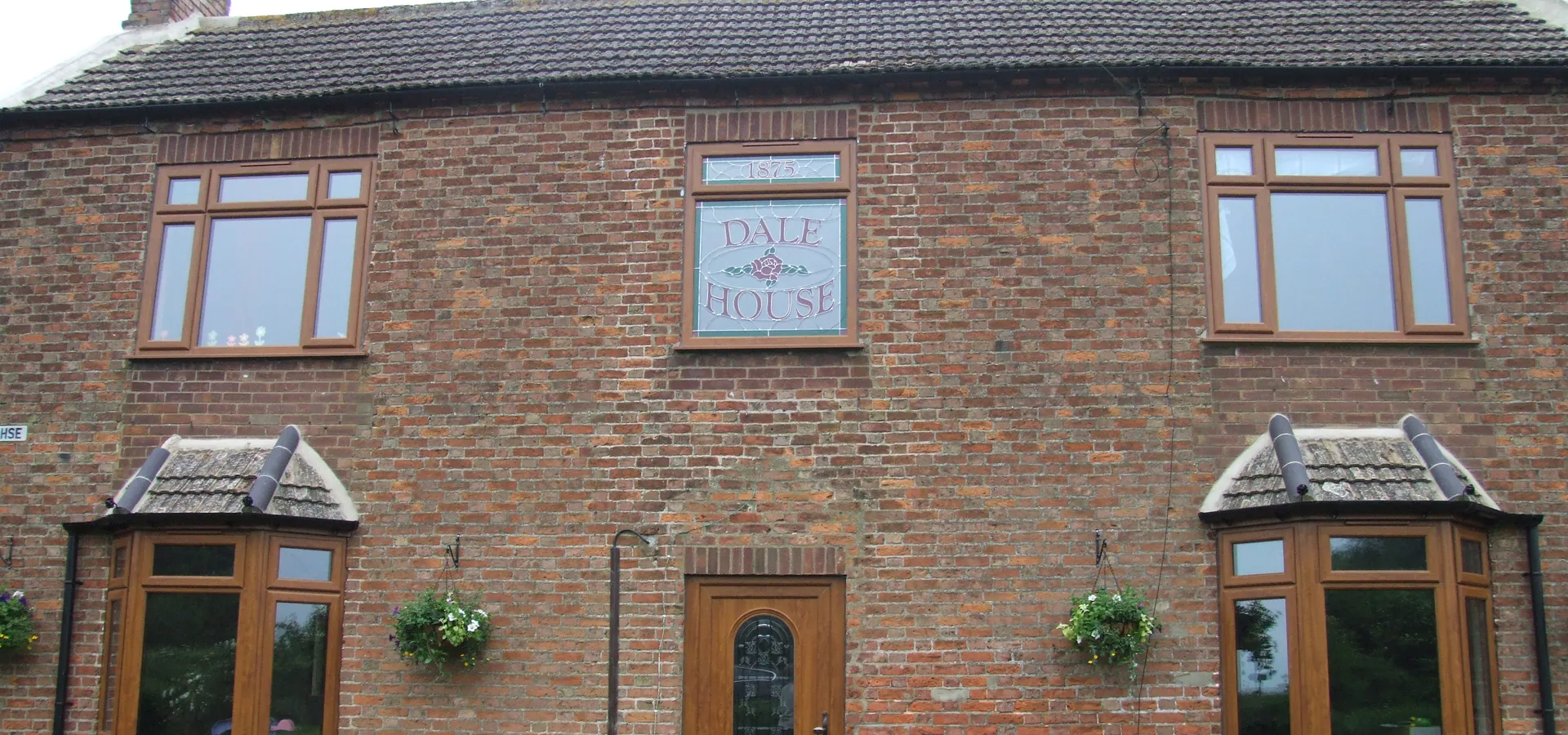
Period homes need the right sightlines and detailing, but that doesn’t mean putting up with cold rooms and draughts. We fit made-to-measure sash and flush casement windows that keep the original proportions, then upgrade the glass spec with A-rated units, argon-filled cavities and low-E coating. Where the frame depth allows, a 28mm sealed unit can make a noticeable difference to heat loss without making the window look wrong.
For Georgian houses, the usual approach is timber sash windows with the right pane layout, often 6 over 6 or 8 over 8 depending on the age of the property, along with six-panel doors and fanlights. The key is keeping the glazing bars, horn details and frame widths accurate so the replacement doesn’t stand out from the frontage.
For Victorian terraces, we normally match existing bay sash windows in timber, or use made-to-measure uPVC sash replacements where maintenance is a concern. Good units should include internally beaded frames, multi-point locking and a proper draught seal such as a Q-LON gasket, with stained glass or bright panels copied where needed.
For Edwardian homes, multifaceted bays, simpler bar layouts and painted timber or uPVC casements are common. White is still the standard finish, though black works on some later properties if it matches the original style. The main thing is getting the frame profile and opening style right so the house still reads as period.
Hardware matters as much as the frame. We match period-style furniture, fit secure locks, and use correctly profiled timber or uPVC sections to keep authentic lines from the street. On completion, the installation should be signed off properly, with your FENSA certificate number issued for the work.
Double Glazing for New Builds
New-build glazing needs to balance energy performance, design intent and compliance from the outset. For projects in Holloway, that often means meeting Part L requirements while choosing frame materials and sightlines that suit the overall architecture, from traditional detailing to more contemporary schemes. Installation standards and certification also need to be considered early so the glazing package fits smoothly within the build programme. The sections below explore how these factors shape the right specification for a new build.
Energy Efficiency Standards
For new-build double glazing in Holloway, the target is straightforward: meet Part L and keep heat loss down. In practice, that usually means A-rated double glazed units or triple glazing, with a whole-window U-value around 1.0 W/m²K or better, depending on the frame and glass make-up.
A solid spec starts with the sealed unit. A 28mm argon-filled unit with a low-E coating and warm-edge spacer bar will do more for thermal performance than standard glass, and the frame and fabrication still need to be up to scratch if you want the tested U-value on site, not just on paper.
Triple glazing will usually give you the best thermal result, but the full window matters more than the glass alone. Spacer bars, frame profile, gasket quality and factory sealing all affect the final figure, which is why certified systems are worth using.
Ventilation needs to be dealt with properly at the same time. If the window is airtight but the background ventilation is poor, you can end up with condensation around the reveals, so trickle vents and extract rates need to be balanced with the glazing spec.
Installation matters as much as the unit itself. Internally beaded frames, Q-LON gaskets and correctly packed units help stop draughts and keep the sashes square, and a FENSA-registered installer should leave you with a certificate number on completion for compliance records.
Done properly, this approach gives you glazing that meets building control requirements, cuts energy demand and performs properly from day one.
Frame Style Options
For a Holloway new build, frame choice needs sorting early. It has to suit the elevation, the opening style and the U-value you need for sign-off. uPVC casement and flush casement frames are the usual all-rounders: low upkeep, tidy lines, and good thermal performance with an A-rated 28mm sealed unit, argon fill and low-E coating.
Aluminium is the better fit where you’ve got wider openings or more glass to carry. The frames are stronger, so sightlines stay slimmer without losing rigidity, and they work well with sliding or bifold doors. On security, spec internally beaded frames with multi-point locking as standard.
If energy performance is the priority, triple glazing can get whole-window U-values down to around 1.0 W/m²K, depending on the system. Good frame systems will also use proper weather seals such as a Q-LON gasket to help cut draughts and keep the fit tight over time.
For period-style plots, timber or timber-effect frames keep the right proportions and detailing. Sash-style frames can suit Georgian and Victorian elevations, but you can still pair them with modern glass specs and secure locking. If the installation is covered under a competent person scheme, make sure you get the FENSA certificate number on completion.
Security And Compliance
On a new-build job, security and paperwork need sorting at the same time as the glass spec. In Holloway, that means fitting doors and windows with the right hardware from day one, not trying to patch it up at sign-off.
Use frames with multi-point locking, internally beaded sashes and laminated or toughened safety glass where the opening or location calls for it. Hinges, keeps and frame reinforcement need to match the unit size and weight, and the whole set-up should meet current Building Regulations and, if required, Secured by Design standards.
Make sure the installation is carried out by a FENSA Approved installer, or the work is signed off through local authority Building Control. On completion, you should get a FENSA certificate number or council sign-off paperwork, which your insurer and any future buyer may ask for.
For the glazed units, stick with UK-made sealed units with traceable manufacture details. A-rated glass, a 28mm argon-filled unit and a low-E coating give you a clear spec on paper, and in-house glazing and frame fabrication make quality checks and replacement parts easier to manage later.
If the job is being financed, check the credit terms properly before you sign. That means a clear representative APR, the total amount payable, and the lender carrying out affordability checks in line with UK rules.
Get those points right early and the package is far less likely to hit delays at approval stage.
Bespoke Design Planning
For a new build inside the M25, made-to-measure double glazing needs sizing from the actual openings, the elevation drawings and the target U-values before anything is ordered. That avoids trying to pack standard frames into out-of-square masonry, which is where air gaps, bowed trims and call-backs start.
Get a site survey done early, then fix the frame material, sightlines, opening style and door layouts against the drawings. On modern plots, aluminium or uPVC casements are usually the practical choice; on traditional builds, flush sash profiles or made-to-measure timber joinery tend to sit better with the detail lines.
If Part L is tight, specify units properly from the start: A-rated glass, argon-filled sealed units, low-E coating and whole-window U-values down to 1.0 where the design calls for it. A 28mm sealed unit is common on double glazing, but frame system and spacer bar choice still need checking so the finished window actually meets the target rather than just looking right on paper.
Security and compliance should be agreed at design stage, not left until fitting week. Use systems with multi-point locking, internal beading and tested hardware, then have them fitted by a FENSA Approved Installer so you get a FENSA certificate number on completion.
uPVC vs Aluminium: Which Is Better?
Choosing between uPVC and aluminium means weighing cost, insulation, frame strength and the overall look of the glazing. In broad terms, uPVC tends to offer lower upfront cost and strong thermal performance, while aluminium is valued for slimmer sightlines and greater structural strength on larger openings. The sections that follow explore how each material performs in practice, where the trade-offs sit, and which option may be better suited to different types of property and project priorities.
Material Strength Comparison
If frame strength matters, aluminium has the edge over uPVC. It’s a stiffer material, so you can use slimmer sections and still carry the weight of a 28mm sealed unit properly, especially on tall windows, sliders and bifolds. In practice, that means less frame bulk and better support across wider openings.
Aluminium suits larger glazed sections because it holds its shape under load and with repeated use. On big doors with multi-point locking, that extra rigidity helps keep panels aligned, so they open, close and lock cleanly over time. For homes in Holloway with wide openings at the back or tall front elevations, that makes a noticeable difference.
uPVC is a sound choice for standard windows and doors, and paired with A-rated glass, argon-filled units and a low-E coating, it still gives solid day-to-day performance. But on bigger formats, it usually needs thicker profiles or steel reinforcement to do the same job. It can also move more with heat than aluminium, which is why sightlines tend to be chunkier on larger units.
Thermal Efficiency Differences
uPVC usually has the edge on thermal efficiency because the frame doesn’t conduct heat the way metal does. With a decent A-rated unit — typically a 28mm argon-filled sealed unit with a low-E coating — it’s easier to keep heat in, cut draughts round the frame, and control condensation on colder mornings. That’s why many uPVC windows for Holloway homes achieve low U-values without needing extra frame insulation.
Aluminium can still meet modern standards, but the thermal break does the hard work. If that section in the frame isn’t properly specified, aluminium will pass cold in and let heat out far more readily than uPVC. The glass spec matters just as much, so check the whole window rating, not just the glazing.
If you’re comparing the two, ask to see:
- the full window U-value, not centre-pane only
- the glazing spec, such as 28mm double or triple glazed, argon-filled, low-E
- frame details, including the thermal break on aluminium
- installation details, including airtight fitting and good perimeter sealing
A well-fitted window with the right sealed unit will always outperform a poor install, whatever the frame material. That’s why the final result depends on proper measuring, square fitting, and tight seals as much as the product itself.
Style And Sightlines
If the look matters as much as the spec, the usual trade-off is frame width against glass area. Slimmer frames give you more daylight and a cleaner line; thicker frames give you a chunkier, more traditional face. On most jobs in Holloway, that means choosing between aluminium and uPVC based on opening size, property style, and the sightline you want from inside and out.
Aluminium is the go-to for slim sightlines. On the right system, visible frame widths can come in under 70mm, which leaves more room for the glass and suits wide sliders, bifolds, and fixed panes with 28mm argon-filled, low-E sealed units. It also holds its shape better on bigger spans, so you can keep the frame lines fine without compromising operation.
uPVC needs a thicker profile, but modern flush casements are a lot neater than older chamfered frames. Paired with A-rated glass, internal beading, and proper Q-LON or equivalent weather seals, they suit period houses where traditional proportions matter more than ultra-slim lines. Timber-effect foils and cleaner welds help if you want the window to sit quietly in an older elevation.
For contemporary work, aluminium usually makes more sense where the frame is part of the design. For heritage-sensitive jobs, flush uPVC often gives a better balance of appearance, thermal performance, and cost without the sightlines looking too modern.
Cost And Maintenance
Cost and upkeep usually settle the aluminium vs uPVC question once the quote is on the table. uPVC is normally the cheaper option upfront, so it suits tighter budgets and standard casement windows with A-rated glass, a 28mm argon-filled sealed unit and low-E coating. Aluminium costs more to buy, but it gives you slimmer frames and better rigidity on wider spans, which is why it’s often the better fit for large sliders and bifold doors in Holloway.
On maintenance, both are straightforward if they’re fitted properly. uPVC needs little more than washing down, checking the drainage slots stay clear, and a drop of lubricant on the hinges, handles and multi-point locking once or twice a year. Aluminium is also low maintenance, but if the powder-coated finish gets chipped back to bare metal, it wants touching in before corrosion gets hold around the damaged area.
For long-term value, don’t just compare the day-one price. Aluminium usually lasts longer and holds its shape better on bigger openings, while high-spec uPVC can still give strong thermal performance with the right setup, such as a 28mm low-E, argon-filled unit and good weather seals like a Q-LON gasket. Whichever frame you choose, the job wants fitting square, glazing packed correctly, and a FENSA certificate number issued on completion.
Steel-Look Windows for Holloway Homes
Steel-look windows give you the slim sightlines of old metal frames without the usual problems of condensation, rust and cold transfer through the frame. For Holloway homes, that means you keep the industrial look but fit a warmer, quieter unit with modern security and lower upkeep.
We fit aluminium and uPVC steel-look frames with narrow sections and putty-line styling, paired with A-rated glass as standard. A typical spec would be a 28mm argon-filled sealed unit with a low-E coating, which helps bring whole-window U-values down to around 1.0 W/m²K depending on the system and glazing choice.
Made-to-measure sizes and bar layouts let you match Victorian terraces, Edwardian houses and warehouse conversions properly, rather than forcing a standard unit into an old opening. Frames are available in a wide range of colour finishes, including textured powder-coated aluminium, so the new windows sit right with the rest of the property.
Security and fitting details matter as much as the look. We use internally beaded frames, multi-point locking and weather seals such as Q-LON gaskets to keep out draughts and improve long-term performance. On completion, you get a FENSA certificate number for the installation, and most systems come with a 10–15 year guarantee.
Best Doors to Match Double Glazing
Choosing doors to suit double glazing involves more than matching colours or frame materials. The right option depends on your property style, the proportions of existing windows, and the level of thermal performance and security you need. It also helps to consider how glazing details, door construction, and certified fitting work together to create a consistent finish. The sections below look more closely at how different door types compare, and what to check before making a decision.
Composite Door Pairings
Pairing a composite front door with new double glazing works best when both are specified together. That way the style matches, the U-values are in step, and the security level is consistent across the frontage instead of one part lagging behind the other.
On period properties, we normally match the door design to the window sightlines. A six-panel or glazed composite door with a fanlight sits properly alongside sash-style double glazing, especially on Georgian, Victorian and Edwardian homes in Holloway. Get the proportions right and the house keeps its character without giving up modern insulation.
Security should also match. If the windows have internally beaded frames, key-locking handles and a 28mm sealed unit, the door wants the same standard of spec: multi-point locking, reinforced frame sections and a cylinder to British Standard. That avoids fitting a strong window package next to a weaker entrance door.
Thermal performance needs to line up as well. A-rated, argon-filled units with a low-E coating should be paired with a composite slab with an insulated core, Q-LON gasket seals and a draught-sealed threshold. That keeps heat loss even across the front elevation and helps avoid cold spots around the entrance.
Colour and finish matter, but they need to be practical. Dark colours usually suit Georgian fronts and rendered elevations, while timber-effect finishes and stronger colours work well on Victorian terraces. We match door frame and window frame finishes properly so the installation looks like one job, not two done years apart.
Once fitted, the whole set should be signed off together. A proper installer will check operation, sealing and locking on both the windows and the door, then issue the FENSA certificate number on completion.
uPVC Door Options
uPVC doors are usually the cleanest match for new double glazing. They’re made-to-measure, so the frame size, sightlines and glazing pattern can be set to line through properly with the windows beside them. Use the same colour finish, low-E glass and 28mm argon-filled sealed units and the whole elevation reads as one job, not a patch-up.
For period-style properties in Holloway, flush casement uPVC doors sit well with sash windows or traditional casements. You still get modern performance: A-rated glass, warm-edge spacer bars and U-values down to 1.0 W/m²K with the right unit build-up. If outside noise is an issue, a thicker acoustic sealed unit can make a noticeable difference.
You can also specify practical details that matter day to day:
- multi-point locking for better security
- internally beaded frames to reduce the risk of forced entry
- Q-LON or equivalent gaskets to help stop draughts
- stained or leaded glass inserts where the property suits them
- colour-matched hardware for a neater finish
A proper install matters as much as the door itself. The frame needs packing square, hinges set correctly and drainage left clear, otherwise you end up with dropped sashes, draughts or water sitting in the rebate. On completion, a FENSA-registered installer should issue the certificate details for the work, and it’s worth checking seals, hinges and drainage channels now and again to keep the door working as it should.
Aluminium Door Styles
Aluminium doors suit modern double glazing because the frames are slimmer, so you get more glass and a neater line-up with current aluminium window systems. Fit them with A-rated glass in a 28mm argon-filled sealed unit with a low-E coating and they’ll do the job properly on light, heat loss and day-to-day use.
- Bi-fold doors work well on wider openings where you want the leaves to stack back neatly. You keep frame bulk down and still get proper weather sealing with Q-LON gaskets and multi-point locking.
- Sliding doors give you the biggest glass area and keep the sightlines consistent next to aluminium windows. They’re a solid choice where you want more daylight without opening leaves taking up patio space.
- Steel-look doors suit period properties that need finer glazing bars and a more traditional frame pattern. You get the look of old metal frames, but with modern double glazing, internally beaded security and made-to-measure sizing.
- Front and back doors can be finished in matched RAL colours, textured powder coat and marine-grade options for exposed spots. That keeps the door and surrounding frames looking like one job, not a mix of different systems.
These styles can all take high-performance double or triple glazing, depending on the frame system and what U-value you’re aiming for. With UK-made frames, accurate survey sizes and FENSA-approved fitting, the finished installation stays compliant and tidy across Holloway homes and extensions, with a FENSA certificate number issued on completion.
Security And Efficiency
Your door wants to be up to the same standard as the glazing. There’s no point fitting A-rated, argon-filled units with a low-E coating if the door is the weak spot for draughts or security. A good composite or aluminium door should have a reinforced core, multi-point locking, internal beading and proper weather seals such as a Q-LON gasket.
For wider openings, aluminium sliding and bi-fold doors need thermally broken profiles so you’re not losing heat through the frame. Anti-lift rollers, multi-point locks and correctly adjusted seals all matter on bigger spans, especially where you’ve got large glazed panels. Fitted properly, they stay weather-tight and secure without losing the benefit of the double glazing.
On period properties in Bristol, timber-effect sash windows usually sit well with a six-panel composite or timber door. You keep the right look from the street, but still get modern performance from a 28mm sealed unit, decent draught sealing and current locking standards. It’s a practical way to keep character without putting up with cold spots and rattles.
Use a FENSA-approved installer and make sure you get your certificate number on completion, along with the manufacturer’s guarantee. That gives you proof the work meets current building regulations and means the glass, frames and door set are covered if there’s a fault later on.
Bifold or Sliding Doors for Holloway?
For Holloway homes, the choice between bifold and sliding doors usually comes down to opening space, frame layout, and how much clear glass you want day to day. Bifolds stack to one or both sides and can open up most of the aperture. Sliding doors keep the panels on their own track, so you lose less floor area and get wider panes with fewer vertical frames.
Bifold doors suit rear extensions and wider openings where you want the doors folded right back in summer. They work well with a low threshold, multi-point locking, internally beaded sashes, and A-rated glass in a 28mm argon-filled sealed unit with a low-E coating. If the frame is aluminium, ask how the thermal break is built in, as that makes a real difference to heat loss and condensation around the frame.
Sliding doors are often the better fit where space is tight, especially in flats or smaller gardens where folding leaves would get in the way. You get broader sightlines and less interruption from frame sections, while still keeping good thermal performance with the right spec. A proper setup would include toughened safety glass where required, Q-LON gaskets for draught control, and secure multi-point locking.
A quick way to sort the right option:
- Choose bifolds if you want the widest possible opening.
- Choose sliders if you need to save space inside or out.
- Check the glazing spec: A-rated, low-E, argon-filled, 28mm sealed units as a minimum.
- Check the security spec: internally beaded frames and multi-point locks.
- Use a local fitter who measures properly and gives you a FENSA certificate number on completion.
Both systems can be made-to-measure for the usual site limits, including narrow access, uneven reveals, and threshold details. The right choice is the one that fits the opening properly, keeps draughts down, and works for how you actually use the room.
How Energy Efficient Is Double Glazing?
The opening style makes less difference to heat loss than the glass, frame and fitting. A modern 28mm sealed unit with two panes, argon fill and a low-E coating will cut heat loss far more than old single glazing, often by around half, and it also reduces draughts around the reveal. Pair that with a properly insulated uPVC, aluminium or timber frame and you get better control over conductive and convective heat loss through the whole window.
Modern sealed double glazing cuts heat loss far more than opening style, especially with a well-insulated frame and proper fitting.
Triple glazing can push whole-window U-values down to around 1.0 W/m²K, but good double glazing still performs well in most UK homes if it’s specified and fitted properly. An A-rated double glazed unit, tight Q-LON gaskets and accurate installation will usually give you the gains you’re paying for, not just the numbers on the paperwork.
The fitting matters as much as the unit itself. If the frame isn’t square, the seals won’t sit right and you lose efficiency through air gaps, so we make sure everything is packed, fixed and sealed correctly, then issue a FENSA certificate number on completion for the work in Holloway.
Replacing old windows also cuts heating demand, which helps lower emissions over time. If the old frames can be separated and recycled properly, that helps reduce the overall environmental impact of the job.
How Secure Is Double Glazing?
A double glazed window or door is only as secure as the full build and the fitting. The glass matters, but so do the frame, lock, beads and how the whole unit is fixed into the opening. In Holloway, we’d class a secure setup as an internally beaded frame, a 28mm sealed unit, and multi-point locking fitted and adjusted properly.
Laminated or toughened glass gives better break-in resistance than standard panes. A laminated unit holds together after impact, which slows entry down, and toughened glass is harder to break cleanly. If the unit is argon-filled with a low-E coating, you keep the security benefit without losing thermal performance.
Hardware makes a big difference in day-to-day security. Multi-point locking, anti-snap cylinders, reinforced keeps and secure hinge points are the parts that deal with most forcing attempts. A decent gasket matters too — a Q-LON gasket helps keep the sash tight in the frame, which reduces movement and makes levering harder.
Triple glazing can add another barrier, but it is not automatically more secure unless the full specification is right. If you’re using a thicker overall unit with laminated panes, fitted into a made-to-measure frame, forced entry is harder and you still get strong energy ratings.
Fitting is what ties it all together. Poor alignment, weak fixings or gaps around the frame can leave a good window vulnerable from day one. A proper installation should be square, firmly packed, mechanically fixed, sealed correctly, and signed off with a FENSA certificate number on completion.
Do You Need Permission in Conservation Areas?
For homes in Holloway conservation areas, window and door changes need closer scrutiny because even modest alterations can affect the building’s external appearance. Like-for-like replacements may sometimes proceed without formal consent, but shifts in material, glazing pattern or overall proportions often require planning permission, particularly where an Article 4 Direction is in force. The sections that follow explain how conservation area controls differ from standard permitted development, and what to check with your borough before specifying double glazing.
Planning Rules Explained
Before you order new double glazing, check with your local planning authority. In Holloway conservation areas, replacement windows and doors often need planning permission, and some streets have Article 4 directions that remove permitted development rights.
Get that checked before you order made-to-measure units. A 28mm argon-filled sealed unit with a low-E coating may meet current performance standards, but that does not mean the council will accept changes to the frame, sightlines or opening style.
If the property is listed, you will also need listed building consent. That applies whatever glass spec you choose, including A-rated glass in timber, aluminium or uPVC frames.
Like-for-like replacements are usually the safest route for approval. Matching the original materials, glazing bar layout, sash horns, frame depth and opening method gives you a better chance of getting the job signed off without redesigns.
FENSA registration helps with Building Regulations compliance, and you should get a FENSA certificate number on completion if the installer is registered. It does not override planning control, conservation area rules or listed building consent.
Ask the conservation officer for written confirmation before manufacture starts. That avoids paying for made-to-measure units that cannot be fitted, and it cuts the risk of delays, enforcement action and costly changes later.
Window Replacement Limits
In conservation areas, the main question is simple: will the new windows change the look of the building or the street. If they do, you’re more likely to need planning approval. On listed buildings, listed building consent is usually required even for like-for-like replacement.
| Scenario | Permission risk |
|---|---|
| Same sash layout, same timber or matching finish, same glazing bar pattern and sightlines | Often lower |
| Deeper frames, different opening style, changed finish, or a 28mm sealed unit that makes the glazing look heavier | Usually higher |
FENSA only covers Building Regulations for standard replacement work. It does not override listed building consent or conservation area controls. Before ordering made-to-measure units in Holloway, check with the local authority and get it in writing.
If thermal performance is the aim, use details that keep the original appearance. That usually means slim-profile double glazing with low-E coating, argon-filled units, and frame sections that match the existing sightlines as closely as possible. Written approval before manufacture helps avoid remakes, delays, and enforcement issues. Ask your installer for conservation-led specifications first, not standard modern profiles.
How Much Does Double Glazing Cost?
Double glazing costs in Holloway vary widely, so it helps to look beyond a single headline figure. Prices are shaped by the type and size of the window, the frame material, and the level of glazing performance you choose. Installation factors can also affect the total, particularly in older properties or where access and compliance add complexity. The sections below look more closely at the main elements that influence price and how they can alter the overall budget.
Typical Price Ranges
Made-to-measure double glazed uPVC replacement windows in Holloway usually start at around £400–£900 per window fitted. The final figure depends on the opening style, frame profile, access, and the glass spec you choose, such as a 28mm argon-filled sealed unit with low-E coating and warm edge spacer.
Standard made-to-measure replacements generally fall in the £400–£900 range per window. If you move up to A-rated glass or triple glazing, prices are more often around £800–£1,500 per window because the units are heavier, thicker, and need the right frame and hardware to suit.
For a typical 10–15 window job, most installed costs land between £6,000 and £20,000. If the package also includes doors, sidelights, or conservatory-style glazing, the total can go past £25,000, especially where access is awkward or scaffold is needed.
Prices also rise if you want period detailing, woodgrain foils, internally beaded frames, upgraded multi-point locking, or UK-made profiles with Q-LON gaskets. FENSA registration and a certificate number on completion are often included, but it is worth checking exactly what is covered, along with guarantee length and any call-out terms.
If spreading the cost helps, some jobs can be financed from around a £249 deposit, subject to status. Always compare like for like: glass rating, frame thickness, locking system, and what is included in the fitting and making good.
Cost By Frame
Frame material is what sets the starting price on any double glazing job. uPVC casement windows are usually the lowest-cost option, and for most Holloway houses they do the job well with A-rated glass, a 28mm argon-filled sealed unit, low-E coating, and multi-point locking as standard. If you’re using finance, deposits can start from £249, subject to status.
Aluminium costs more than uPVC, mainly because the frames are stronger and the sightlines are slimmer. That matters on bifolds and sliding doors, where rigidity keeps the panels running true and the seals doing their job. A decent aluminium system should also be internally beaded and fitted with quality gaskets to keep draughts down.
Timber and made-to-measure heritage sash frames sit at the top end on price because they take more workshop time and more fitting time on site. On some finance packages, deposits start from about £999, subject to status. If you step up from standard double glazing to triple glazing, that adds cost on the glass side as well, but it can bring U-values down towards 1.0 with the right low-E, argon-filled unit.
Done properly, the gains are straightforward: lower heat loss, less outside noise, and a window or door that shuts square and locks properly. On completion, you should also get your FENSA certificate number for the installation, along with the warranty paperwork.
Installation Cost Factors
The frame sets the starting price, but fitting is what usually moves a double glazing quote up or down in Holloway. Two jobs with the same A-rated glass and 28mm argon-filled sealed units can still come out very different once access, making good, and compliance are factored in. That is why it pays to read the installation section properly, not just the window spec.
Like-for-like replacements are the quickest to fit. If the new units are made-to-measure to match the existing openings, with no brickwork changes and standard internally beaded frames, labour stays lower. Bay windows, sash replacements, and awkward reveals take longer because everything has to be lined, packed and fixed square so the multi-point locking works as it should.
Costs rise again if the opening needs structural work. Resizing apertures, fitting a new lintel, or repairing damaged plaster and sills all add time and usually mean more than one trade on site. Old properties often hide problems once the frames are out, including failed timber, loose masonry, or no proper support above the opening.
There are also fixed charges that should be clear on the quote. These can include waste removal, scaffold or tower access, and FENSA registration, with your certificate number issued on completion. If parking is tight, the install is above ground floor, or you want extras like decorative glass, upgraded hardware, or old-frame recycling, expect more labour and a higher total.
In short, the price goes up where the fitting programme gets more involved. More time on site, more access kit, and more compliance usually make a bigger difference than small changes in the glass spec.
Long-Term Energy Savings
The quote matters, but the real cost of double glazing is what it saves over the next 10 to 15 years. If you’re replacing single glazing, the gain is usually clear straight away: an A-rated, argon-filled 28mm sealed unit with a low-E coating cuts heat loss through the glass and helps stop the cold draughts you get around tired frames and worn seals.
Savings vary from house to house. The glass spec, frame build-up, exposure to wind, and how you heat and air the rooms all make a difference. In colder parts of Holloway, triple glazing can shave a bit more off heat loss because of the lower U-value, but the jump from single to double glazing usually gives better payback than double to triple.
Good installation protects that payback. A square fit, tight trims, and proper sealing with a Q-LON gasket all help keep the unit airtight, and you should get a FENSA certificate number on completion as proof the work meets current Building Regulations. If you’re spreading the cost from a £249 deposit, set the monthly repayment against likely fuel savings, not just the fitted price.
How to Choose a Holloway Installer
Choosing a Holloway installer involves more than comparing prices. The right provider should meet recognised industry standards, offer glazing options that suit the age and style of your property, and show a consistent approach to fitting and aftercare. The sections below look more closely at the checks worth making before you decide, from credentials and product suitability through to practical signs of reliable service across Holloway.
Verify Accreditations
Before you book a survey, check the installer’s accreditations properly. It tells you if the work will meet Building Regulations, how the paperwork is handled, and what backing you’ve got if there’s a problem after fitting. A decent firm will show you the evidence, not just talk around it.
Use this checklist:
- Choose a FENSA Approved Installer. On completion, you should receive a FENSA certificate number confirming the replacement windows or doors comply with Building Regulations and have been registered correctly.
- Check security credentials. Secured by Design recognition and products built to relevant British Standards usually mean proper features such as multi-point locking, internal beading and tougher glazing specifications where required.
- Read the guarantee terms and ask where the frames and sealed units are made. A 10–15 year guarantee, A-rated glass, and a 28mm argon-filled sealed unit with low-E coating are all solid signs the specification hasn’t been watered down.
- If finance is offered, confirm FCA credit broker authorisation 302334 and ask to see example APR terms before you agree a quote. Also check the practical bits: coverage across the M25, service access in Croydon, and whether evening or weekend appointments are available.
Compare Product Ranges
A good installer should offer enough range to suit the job, not push the same window into every opening. Compare uPVC, aluminium and timber frames, then check the actual spec: A-rated glass, 28mm argon-filled sealed units, low-E coating, warm edge spacer bars, and weather seals such as Q-LON where fitted. Ask for measured figures, not vague claims — whole-window U-values, air permeability, water tightness, wind load ratings and PAS 24 security where applicable.
Opening styles matter as much as frame material. Check what they supply in casement, flush sash, tilt and turn, sliding sash, bifold and patio doors, and ask if the units are internally beaded with multi-point locking as standard. If you’re comparing firms across Holloway, it also helps if they cover the full M25 area and can book a survey without a long wait.
Ask for a free written quote with the glass spec, hardware finish, lead time and fitting details clearly listed. If you need extras, check they can supply made-to-measure conservatory glazing, acoustic glass for traffic noise, trickle vents and safety glass in the right locations. On completion, you should receive the guarantee details and a FENSA certificate number where the work falls under Building Regulations.
A long guarantee only means something if the product behind it is properly specified. Look for British-made frames where possible, in-house glazed units, and cover in the 10 to 15 year range for frames and sealed units. If finance is offered, check the monthly cost in £, any deposit required, and that the credit broker is FCA-authorised before you sign.
Assess Installation Standards
The frame and glass only do their job if the fitting is right. A poor install leaves gaps, cold spots and leaks, even with decent units. In Holloway, I’d check the installer as hard as the product.
Start with FENSA. That means the work is registered properly and you should get a FENSA certificate number on completion, along with the guarantee paperwork. If they cannot show that process clearly, walk away.
Security should be backed up with actual spec, not vague promises. Ask for multi-point locking, internally beaded frames and confirmation the doors and windows meet the relevant British Standards. A decent firm should also have written quality checks and carry out installation audits, not just fit and disappear.
Ask what is actually being supplied. You want to know if the units are made-to-measure, whether the sealed units are 28mm, argon-filled and low-E coated, and what whole-window U-value they can achieve. A-rated glass is standard now, and some triple glazed units can get down to around 1.0 W/m²K if the frame and fitting are up to it.
Get the aftercare in writing before you accept a free quote. That includes the guarantee length, lead times, postcode coverage, old frame recycling policy and any finance terms, including the representative APR. If a firm is vague before the job starts, it usually gets worse after the van has gone.
How Do You Get an Accurate Quote?
Getting an accurate quote starts with the right information. A price can vary significantly depending on measurements, property details, frame material, glazing specification, and the level of performance required. It is also important to understand what is included in the installation cost, from removal of old units to warranties and certification. The sections that follow explain how measurements, product choices, and written quotations affect pricing, so it is easier to compare like for like and avoid unexpected costs.
Measure Openings Correctly
To price a job properly, measure the visible width and height of each opening in millimetres. Take width at the top, middle and bottom, then height at the left, centre and right. Use the smallest figure each way, as walls and reveals are rarely dead square.
Also note the frame thickness and reveal depth. That tells us what will physically fit, how much making good may be needed, and whether a standard 28mm sealed unit, trim or packers will be required on installation.
Record how each unit opens: left or right hung, inward or outward, top hung, fixed light, French door or slider. Mark up any transoms, mullions, trickle vents and the exact number of sashes, so the quote matches what the glazier has to make and the fitter has to install.
Send clear photos of each opening with a tape measure in shot. Include anything that affects fitting, such as radiators, pipes, tiled reveals, damaged plaster, brickwork condition and access around the window or door.
If you already know the glass spec, include it. For example: A-rated double glazing, argon-filled, low-E coating, laminated safety glass, or a target U-value. Also mention any security or heritage requirements, as these affect the frame, glazing, ironmongery, labour and certification on completion in Leeds, including your FENSA certificate number if the work is not exempt.
Choose Frame Options
Start with a proper site survey or design appointment so the openings are measured accurately. Every window and door is made-to-measure, and a few millimetres either way can change the frame size, fitting time and the final £ price. A survey also flags up out-of-square reveals, lintel issues and access problems before anything goes into production.
Then pin down the frame material and opening style clearly. That usually means uPVC, aluminium or timber, in styles such as casement, flush casement, sash, tilt-and-turn or aluminium bi-fold. Glazing spec matters as well, because an A-rated, argon-filled 28mm sealed unit with a low-E coating needs the frame and bead detail to suit.
Finish and ironmongery should be agreed at quote stage, not on fitting day. Colour, handle finish, Georgian bars, trickle vents, internally beaded frames, Q-LON gaskets and multi-point locking can all affect lead times and cost. If you're booking work in Holloway, we also include removal of the old units, recycling, and your FENSA certificate number on completion, so the quote covers supply, fitting, compliance and waste disposal properly.
Compare Installation Costs
Installation costs only mean anything once a fitter has measured the openings, checked access, and confirmed the frame spec. Online prices miss too much — sill depth, reveal condition, upstairs access, and whether you’re pricing a standard uPVC frame or a made-to-measure timber or aluminium unit. For a proper comparison in Holloway, get a free site quote and make sure each installer is pricing the same job.
Ask for the quote to be broken down properly. You want to see the glazing spec, frame material, ironmongery, and labour listed clearly — for example A-rated glass, a 28mm argon-filled sealed unit, low-E coating, internally beaded frames, and multi-point locking. If one quote uses a thinner unit or lower-spec hardware, it may look cheaper but it’s not like-for-like.
Check what is included in the fitting price. Removal of old frames, recycling, scaffolding, making good disturbed plaster, structural adjustments, and the FENSA certificate fee should all be shown, otherwise the final bill can jump once the job starts. On completion, you should receive your FENSA certificate number for the installation.
If finance is offered, check the deposit, APR, monthly payment, and total repayable amount in £, not just the headline monthly figure. Also confirm the guarantee, lead time from survey to fitting, and who is responsible if a sealed unit fails, a Q-LON gasket shrinks, or hardware needs adjustment after installation.
That gives you quotes you can compare properly on spec, compliance, and fitted cost.
Frequently Asked Questions
Are Everest Still Trading?
Yes, Everest do appear to still be trading, but I’d check Companies House and speak to their local team before you sign anything. If you’re looking at a quote or an older installation, get the warranty, finance terms and any 10-year guarantee confirmed in writing, as cover can depend on the contract date and who fitted it.
Is It Worth Replacing 25 Year Old Double Glazing?
Yes, in most cases it is worth replacing 25-year-old double glazing, especially if the seals have gone, the frames are warped, or you’re feeling draughts. Modern A-rated glass with argon-filled 28mm sealed units, better multi-point locking, and a proper 10-year guarantee will usually make the house warmer, quieter, and cheaper to run.
How Much Does It Cost to Double Glaze a 3 Bed House UK?
For a typical 3-bed house, you’re usually looking at around £4,000 to £12,000 supplied and fitted, depending on how many windows you’ve got, the frame material, and any doors or bays. If you go for A-rated glass, 28mm argon-filled sealed units or triple glazing, it’ll be at the higher end, and I’d always want FENSA registration and a 10-year guarantee included.
How Much Would It Cost to Double Glaze a 4 Bedroom House?
For a typical 4-bedroom house, you’re usually looking at around £6,000 to £18,000 for new double glazing, depending on how many windows you’ve got, the sizes, and whether you go with uPVC, timber or aluminium frames. If you want A-rated glass, 28mm argon-filled sealed units, bay windows or upgraded doors, that will push the price up, so it’s best to have it properly measured and quoted with FENSA registration and a 10-year guarantee included.
Summary
Warmer rooms, lower energy bills, less outside noise, improved security and smarter kerb appeal all start with the right double glazing for your Holloway home. With FENSA-registered installation and A-rated glass as standard, you can expect dependable workmanship and energy-efficient performance tailored to your property, whether you live in a period terrace, a flat or a new-build home. We make the process straightforward with clear advice, careful surveys and competitive like-for-like quotations, so you can choose long-term value with confidence. Call us today for a free quote or book your free home survey through our quick online form.